

 See My Latest Article on HelloNation
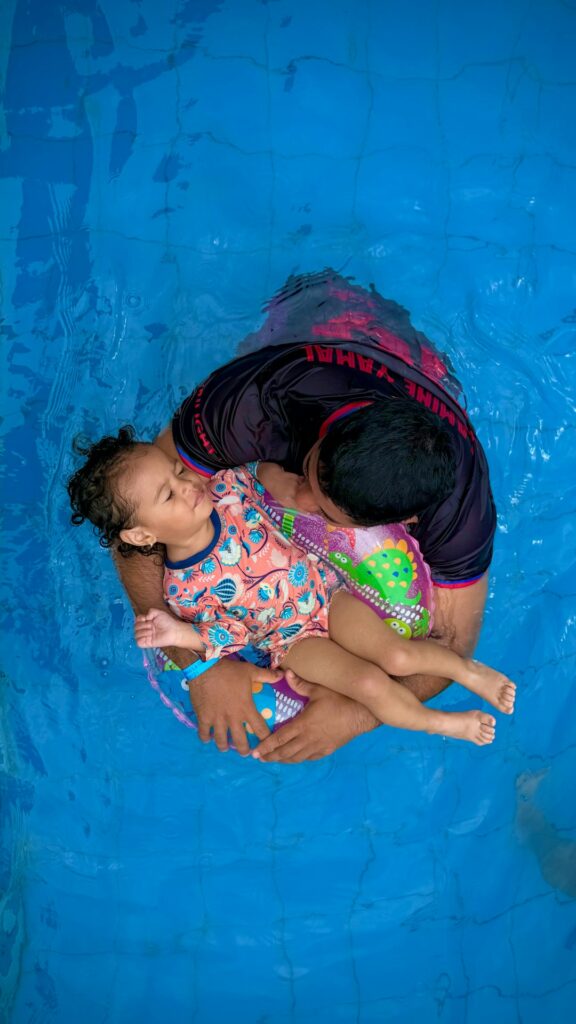
Water safety at home depends on several layers working together: active supervision, physical barriers, swimming ability, clear household rules, and emergency preparation. No single measure can prevent every drowning, especially because drowning can happen quickly and quietly.
For households in Roswell, GA, warm weather can extend the swimming season well beyond summer. Backyard pools, community amenities, bathtubs, buckets, spas, ponds, and temporary water features all deserve attention.
Why does water safety matter even when a pool is not in use?
Many water emergencies happen during ordinary moments rather than planned swim time. A child may follow a pet outside, climb through an unlocked door, or wander toward water while adults are cooking, talking, or handling another task.
A pool should be treated as a potential hazard whenever it is accessible, not only when someone is wearing a swimsuit. The same principle applies to:
- Bathtubs and filled sinks
- Buckets used for cleaning or outdoor play
- Water tables and inflatable pools
- Decorative ponds or drainage areas
- Spas and hot tubs
- Toilets, especially for very young children
After water activities, empty portable containers, drain small pools, and store buckets upside down. Keep bathroom doors closed when young children are not being supervised.
How should adults supervise children around water?
Close, constant, and attentive supervision is the most immediate layer of protection. The supervising adult should remain within reach of a young child and keep continuous visual attention on children who are in or near water.
Supervision is different from simply being nearby. An adult sitting indoors while a child plays outside, or checking a phone beside the pool, may not be able to respond quickly enough. Drowning is often silent, and a child in trouble may not splash or call for help.
A practical household approach is to designate one adult as the water watcher. That person should:
- Stay close enough to reach the child quickly
- Keep phones and other distractions out of use
- Avoid alcohol or anything that reduces alertness
- Know how many children are in the water
- Clearly hand off supervision before leaving
- Continue watching even when a lifeguard is present
For babies and toddlers, being within arm’s reach is especially important. Older children may have stronger swimming skills but still need supervision because fatigue, horseplay, illness, panic, and unexpected changes in depth can create danger.
What kind of barrier is safest for a home pool?
A four-sided barrier that completely separates the pool from the house and yard provides stronger protection than relying on the house, a pool cover, or an ordinary backyard fence alone. The barrier should be at least four feet high, difficult to climb, and equipped with a self-closing, self-latching gate.
Georgia safety standards commonly address details such as barrier height, openings, clearances, and gate hardware. Roswell households should verify current requirements before building, remodeling, or modifying a residential pool area because local review and adopted codes may apply.
Check the barrier regularly for:
- Gates that fail to close or latch automatically
- Furniture, toys, planters, or equipment that could help a child climb
- Loose sections or damaged fasteners
- Gaps beneath the fence
- Doors from the home that remain unlocked or propped open
- Pool covers that are not secured or are being mistaken for a walking surface
Pool alarms, cameras, and door alarms may provide additional warning, but they should not replace a physical barrier or direct supervision.
Can swimming lessons prevent drowning?
Swimming lessons can help children and adults develop useful water competency, but lessons do not make anyone drown-proof. Skills should be viewed as one part of a broader safety plan.
Age-appropriate swim lessons may help a child learn to:
- Enter the water safely
- Turn around and move toward an exit
- Float or roll onto the back to breathe
- Swim short distances
- Follow pool rules
- Ask for help and recognize unsafe situations

A qualified swim instructor can adjust instruction for a child’s age, comfort, coordination, and experience. Toddler swim lessons, baby swim lessons, private swim lessons, and group swim classes may differ in teaching style and goals. Families should focus less on labels and more on whether instruction includes safe entry, exit, floating, breathing control, and realistic practice.
Children who participate in swimming lessons still require close supervision. A child who can swim across a pool may not be able to manage cold water, exhaustion, a fall from a deck, or an unfamiliar pool. Adults can also benefit from swimming lessons or a refresher course, particularly if they supervise children or feel uncertain in deep water.
Are floaties enough to keep a child safe?
Inflatable arm bands and similar flotation toys are not reliable substitutes for supervision or swimming ability. They can slip off, deflate, or give a child and adult a false sense of security.
For boating, open water, or situations where a flotation device is appropriate, use a properly fitted, approved life jacket that is designed for the person’s size and activity. A life jacket should be fastened correctly and should not be treated as permission for a child to swim without an attentive adult.
Pool toys also deserve attention. Remove floating toys from the water when the pool is closed because they may attract children toward the pool area.
What water rules should every household teach?
Simple, repeated rules are easier for children to remember than long explanations. Household rules may include:
- Never enter the pool area without an adult
- Never swim alone
- Walk near the pool
- Keep hands off gates and latches
- Do not push, dunk, or run
- Ask before using a bathtub, spa, or water table
- Stay away from drains and pool equipment
- Tell an adult immediately if someone falls into the water
Adults should also discuss what to do if someone falls in: call for help, point to the person, and use a reaching or throwing assist from a safe position rather than jumping in impulsively. An untrained rescuer can become a second victim.
How can families prepare for an emergency?
Every household with regular water access should know how to call emergency services, identify the exact home address, and begin emergency action without delay. Keep rescue equipment visible and accessible, but do not expect a child to use it independently.
Adults who supervise children around water should consider training in CPR and basic first aid. Emergency preparation should also include checking that phones are charged, gates and alarms work, and children are accounted for after storms or power outages.
Heavy rain and severe weather can create additional hazards around drainage areas, flooded paths, and fast-moving water. Children should stay away from stormwater channels, retention areas, and flooded spaces, even when the water appears shallow.
The safest home water environment is not created by one rule or one lesson. It comes from combining barriers, supervision, realistic skill development, safe equipment, and consistent household habits every day.