
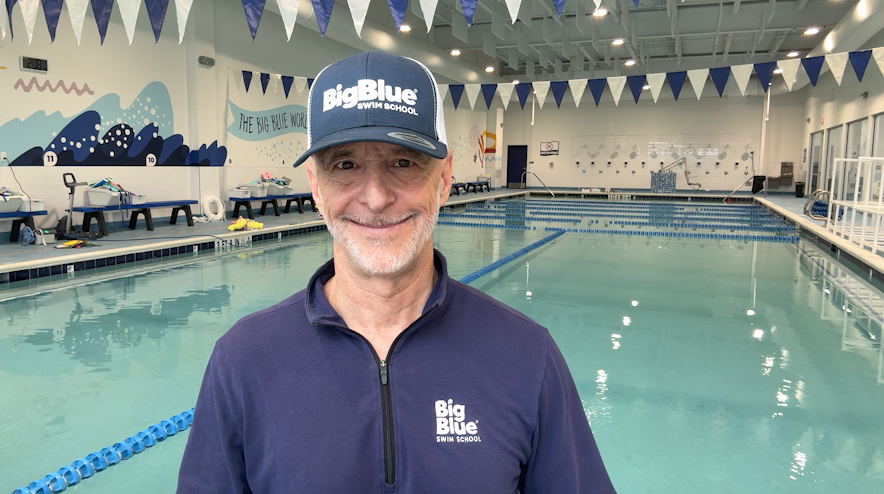
 See My Latest Article on HelloNation
What Will the First Swim Lesson Include?
The first swim lesson is typically designed to provide a comfortable introduction to the water, the swim instructor, and the basic structure of swimming classes. For many children and adults in Roswell, the primary focus is getting used to the swim environment and building initial trust. Expect the instructor to spend time explaining class routines, reviewing safety, and introducing a few gentle water activities. There is usually little to no pressure to fully immerse or swim independently on the first day.
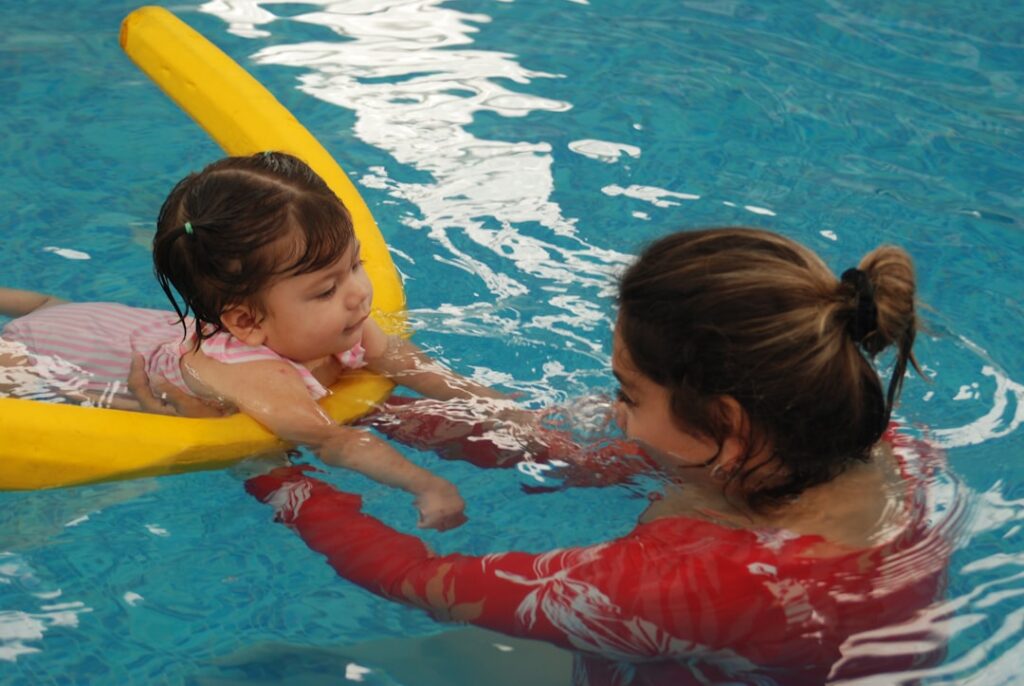
Parents bringing toddlers or babies to their initial lesson—whether for toddler swim lessons, baby swim lessons, or learn to swim classes—will often participate alongside their child in the water. For older children or adults, the instructor will work one-on-one or within a small group setting based on the type of swim lessons selected.
What Should Families Wear and Bring?
Participants should arrive in comfortable, well-fitting swimwear. Rash guards and swim caps can offer extra comfort, especially for sensitive skin or longer hair. Most local pools require waterproof swim diapers for infants and toddlers.
Pack the following:
- Towel
- Extra clothes for after class
- Goggles (optional, but may help reduce anxiety about water in the eyes)
- Flip-flops or pool shoes for walking on wet surfaces
- Water bottle
Many swimming lessons in the area take place in indoor pools, but for any outdoor settings, sunscreen and sun-protective clothing are recommended, given the warmer Georgia climate.
How Does a Swim Instructor Help Kids and Adults Feel Comfortable?
A trained swimming instructor will use patient, encouraging methods to ease participants into the lesson. The first meeting often centers on introductions to the pool, practicing entering and exiting safely, and using games or songs for young children to make the experience positive.
Some initial activities you might see:
- Blowing bubbles in the water
- Floating with support
- Playing with water-safe toys
- Gentle splashing
It’s natural for new swimmers to feel cautious. Local instructors are accustomed to helping both children and adults gradually build confidence at a pace that feels safe.
Are There Special Steps for Toddler Swim Lessons or Baby Swim Lessons?
Yes, toddler swim lessons and baby swim lessons focus primarily on water adjustment, safety skills, and creating a positive association with the pool. These classes typically involve a parent or caregiver in the water, following gentle guidance from a swimming instructor.
Key elements often included:
- Holding and supporting babies securely
- Simple songs or rhymes to introduce basic water moves
- Learning to kick, splash, or hold onto the pool edge with help
Crying or hesitation is common during the first lesson, and experienced instructors offer strategies to keep children calm and comfortable without forcing participation.
What Should Families Watch For During the First Lesson?
The first lesson is a good opportunity to observe the teaching style and how a swim instructor interacts with new swimmers. You should see the instructor demonstrating safety rules and calmly addressing anyone’s fears.
Parents and caregivers should notice:

- The instructor’s ability to create a supportive environment
- Clear communication of pool rules and expectations
- Patience if a child is shy, resistant, or scared
- Willingness to answer questions about the learning process
Observe whether swimmers are grouped by age or skill level when appropriate, as this can impact comfort and progress.
What Are Common Misconceptions About First Swimming Lessons?
Many local families expect quick progress, but the true goal of a first lesson is comfort, safety, and foundational trust; mastering skills takes multiple sessions. Another misconception: every child or adult will be excited from the start. In reality, some need several visits before showing enthusiasm.
Private swim lessons sometimes seem more effective for quick results, but group classes can also foster social learning and comfort for those who benefit from peer support. Every swimmer’s journey is different.
How Are Private Swim Lessons Different from Group Sessions?
Private swim lessons provide individualized attention, tailored to the swimmer’s pace and personality. These are often chosen by families who want to address specific fears, accommodate special needs, or prefer a quieter environment. In contrast, group classes offer social interaction and teach swimmers to follow instructions in a team setting.
In Roswell, both options are available in local facilities. The right choice depends on the participant’s comfort, learning style, and personal goals.
How Should Families Prepare New Swimmers for the Experience?
It helps to talk positively about the upcoming lesson and preview what will happen: meeting a new teacher, getting wet, playing games. For young children, reading books or watching videos about swim classes in advance can minimize surprises.
A simple walk around a local pool before the first lesson may help reduce the anxiety of unfamiliar settings. Remind children and adults alike that it’s okay to feel nervous and that the first goal is just to have a safe, fun introduction.
What Regulations or Safety Steps Are in Place Locally?
Most indoor and outdoor pools in Roswell are required to follow Georgia regulations for water quality, lifeguard supervision, and emergency signage. Swim instructors are trained in CPR and basic water rescue. Facilities generally maintain visible pool rules and conduct regular safety drills.
Families can expect lessons to pause during thunderstorms or when water conditions don’t meet safety standards. Local pools often display health and safety policies at the entrance or locker rooms.
What If a Swimmer Needs More Support?
Anyone who feels anxious or has particular needs—such as fear of water, sensory sensitivities, or certain health conditions—should share this with the instructor at the start. Swimming instructors in the area are used to adjusting their approach to accommodate a wide range of abilities and comfort levels.
Parents can stay close by during the first lesson and participate directly in classes for infants and toddlers. Older children and adults may benefit from gradual exposure, starting with short sessions and building up endurance in future lessons.